






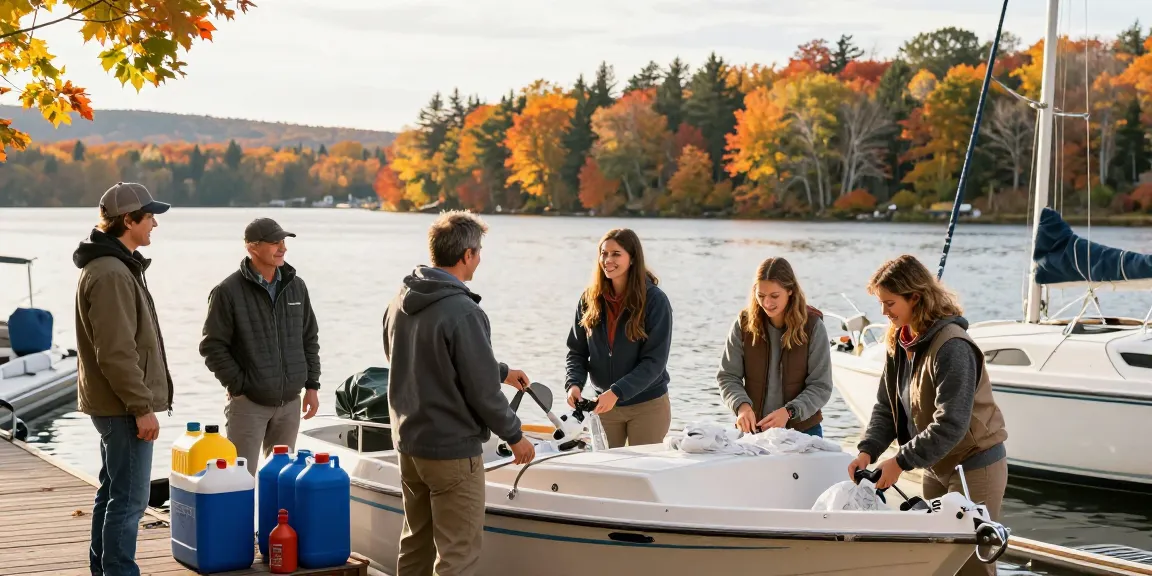
Understanding Boat Winterization: The Essentials
As winter approaches, boat owners face the critical task of preparing their vessels for the cold months ahead. Boat winterization is not merely a chore but a vital process that protects your investment and ensures that your boat is ready for the next boating season. Proper winterization extends the lifespan of your boat and minimizes repair costs associated with winter damage. For those new to this process, understanding the essentials of boat winterization, as well as where to turn for assistance, is paramount. For expert guidance, boat winterization services at Mountain Trout House Marina are an excellent resource.
What is Boat Winterization?
Boat winterization involves a series of steps designed to protect your vessel from the harsh winter conditions. This comprehensive process includes draining water from the engine and plumbing systems, adding antifreeze, protecting the fuel system, and ensuring that the engine and battery are properly maintained. Each component plays a significant role in safeguarding your boat and ensuring its functionality when the warm weather returns.
Importance of Proper Winterization
Neglecting to winterize your boat can lead to costly repairs that far exceed the cost of performing the winterization process itself. Freezing water can cause cracks in your engine’s block or plumbing systems, leading to severe damage. Furthermore, failing to stabilize fuel can lead to issues such as engine corrosion and fuel system clogs. Proper winterization serves as a preventative measure that ultimately preserves the integrity of your boat, allowing for a seamless transition into the next boating season.
Common Mistakes in the Winterization Process
Many boat owners make several critical errors during winterization, leading to potential long-term damage. Some common mistakes include:
- Overlooking the engine: It’s essential to change the oil and filter before winter storage to prevent contaminants from corroding engine components.
- Ignoring the fuel system: Failing to add a fuel stabilizer can result in a degraded fuel system, leading to starting issues come spring.
- Neglecting battery maintenance: Disconnecting and storing the battery in a warm location is crucial to prevent freezing.
Step-by-Step Guide to Winterizing Your Boat
Gathering Necessary Supplies for Boat Winterization
Before you start the winterization process, gather all necessary supplies. This typically includes:
- Antifreeze (specific to marine engines)
- Fuel stabilizer
- Oil and oil filter
- Cleaning supplies and protective covers
- Tools for maintenance tasks
Drain and Flush Water Systems Effectively
Begin by draining all water from the engine and plumbing systems. This step is essential to prevent freezing water from causing damage. Use a water pump to ensure all water is removed, then flush the system with antifreeze to protect against future freezing temperatures. Additionally, remember to remove any drain plugs and allow them to fully dry before reattaching.
Stabilizing Fuel and Engine Maintenance
To maintain your fuel system, fill your tank to about three-quarters full and add a marine fuel stabilizer. This measure helps prevent fuel degradation over winter. After adding the stabilizer, run the engine for a brief period to ensure that the mixture reaches the fuel injectors. Additionally, change the oil and filter before storage to remove contaminants that could harm the engine over time.
Best Practices for Boat Winterization
Choosing the Right Antifreeze and Treatments
Choosing the correct antifreeze is vital to effective winterization. Ensure you use a non-toxic antifreeze specifically designed for marine applications, as this will prevent any environmental contamination. Furthermore, consider treatments that inhibit corrosion to protect your engine’s interior components during storage.
Storing Your Boat: Indoor vs. Outdoor Considerations
Deciding on where to store your boat during winter plays a significant role in its protection. Indoor storage, if available, provides the best protection from the elements. However, if outdoor storage is your only option, invest in a high-quality cover to shield your boat from snow, ice, and moisture. Ensure the cover is breathable to prevent mold and mildew buildup.
Routine Maintenance Checks Before Winter
Before winterization, conducting routine maintenance checks is crucial. Inspect your boat for any signs of wear or damage, such as hull cracks or electrical issues. Addressing these concerns before winter can prevent more extensive repairs come spring.
Winterization Services Offered by Mountain Trout House Marina
Comprehensive Winterization Packages
Mountain Trout House Marina provides a range of winterization services tailored to meet the unique needs of each boat. Our comprehensive packages include full engine oil changes, fuel system stabilization, and thorough inspections, ensuring that your boat is fully prepared for winter.
Expert Tips from Our Marine Professionals
Our team consists of experienced marine professionals who understand the specific needs of boats in the Kawagama Lake area. We recommend keeping a winterization checklist handy and scheduling your winterization services early to avoid last-minute rushes. Our staff is always available to provide insights and assist you through this process.
Community Benefits of Using Local Services
Using local services such as Mountain Trout House Marina not only supports the community but also offers peace of mind. We pride ourselves on our knowledge of local waters, ensuring that your boat receives the best care tailored to the conditions of Kawagama Lake.
Future Trends in Boat Winterization Practices (2026 and Beyond)
Innovative Technologies in Boat Protection
The future of boat winterization is likely to see the introduction of innovative technologies designed to enhance protection and ease of use. Smart monitoring systems that alert owners to temperature changes or moisture levels are becoming more common, allowing for proactive maintenance throughout the winter months.
Environmental Considerations for Sustainable Practices
As environmental awareness grows, more boat owners are looking for sustainable winterization practices. Using eco-friendly antifreeze and biodegradable cleaners can minimize environmental impact while still effectively protecting your vessel.
Preparing for Climate Changes Impacting Winter Activities
Climate change is influencing seasonal patterns, making it essential for boat owners to adapt their winterization strategies accordingly. Staying informed about changing weather patterns and understanding how they can affect your boat will help ensure appropriate preparations are made.
Frequently Asked Questions
Can I winterize a boat by myself?
While many boat owners can winterize their boats with the right tools and knowledge, professional assistance can save time and ensure that it is done correctly.
What are the costs associated with boat winterization?
The cost of winterization can vary depending on the size of the boat and specific services required. On average, expect to spend between $200 and $600. Consulting a local service provider can provide a clearer estimate.
How often should I winterize my boat?
Winterization should be a yearly routine for all boat owners, especially in areas prone to freezing temperatures. This ensures your boat remains in optimal condition regardless of seasonal changes.
What supplies do I need for winterizing my boat?
Essential supplies include antifreeze, fuel stabilizer, oil, filters, and various maintenance tools. Having everything prepared in advance can streamline the winterization process.
How do I de-winterize my boat in spring?
De-winterizing your boat involves removing antifreeze, checking fluids, and ensuring all systems are functional before taking to the water. It’s best to follow a detailed checklist to ensure no steps are missed.